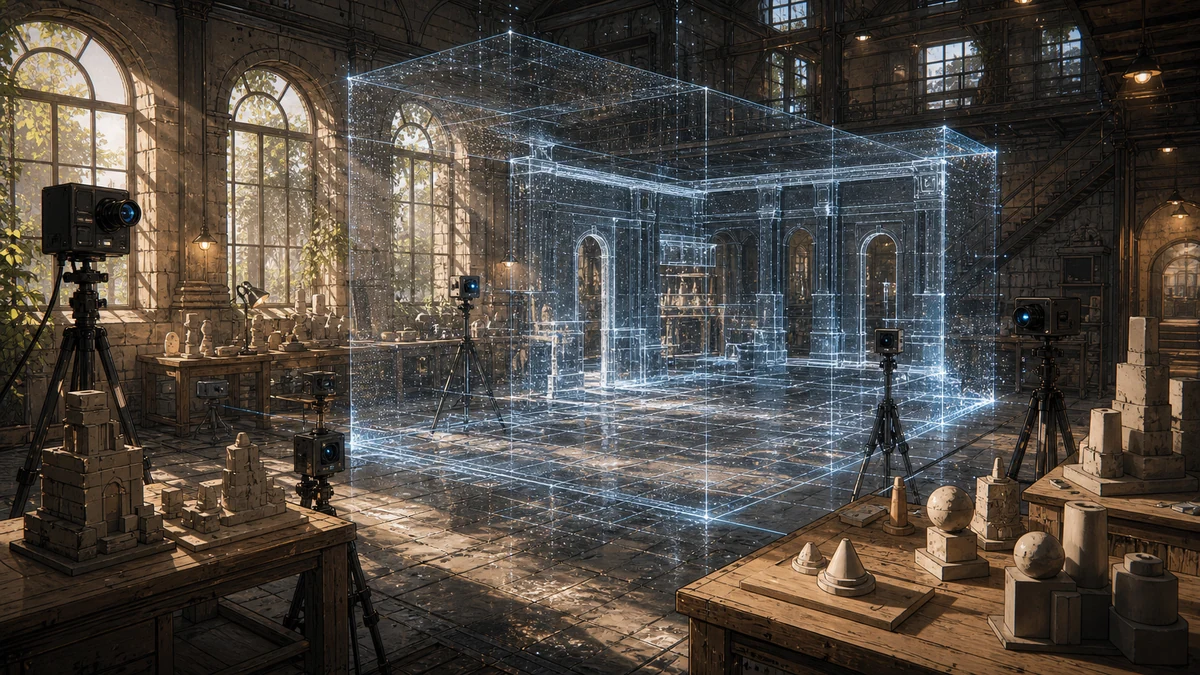
Spatial intelligence

Spatial intelligence AI turns generated scenes into places.

Spatial intelligence AI connects generated scenes, camera motion, memory, interaction, and physical logic around one focused concept.

Spatial interfaceShort explanationNext step
Spatial interface

Scene explainer

Read the page as scenes.

Each page reads as a visual path first, then keeps the source-backed links nearby.

01

Category shift

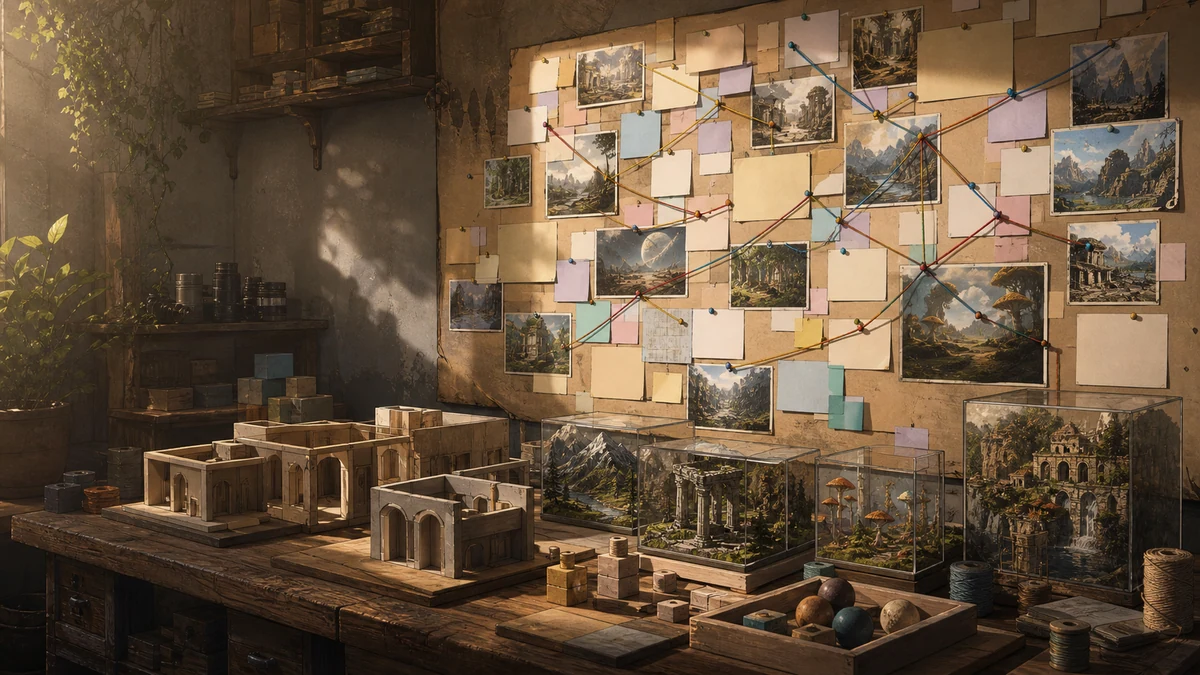
The leap is not sharper video. It is a scene that remembers where things are.

A clip can look amazing and still be over when the camera stops. A world model has to keep the place coherent when the viewer moves, acts, or returns.

World model vs video model
02

Why now

The demos are becoming interfaces.

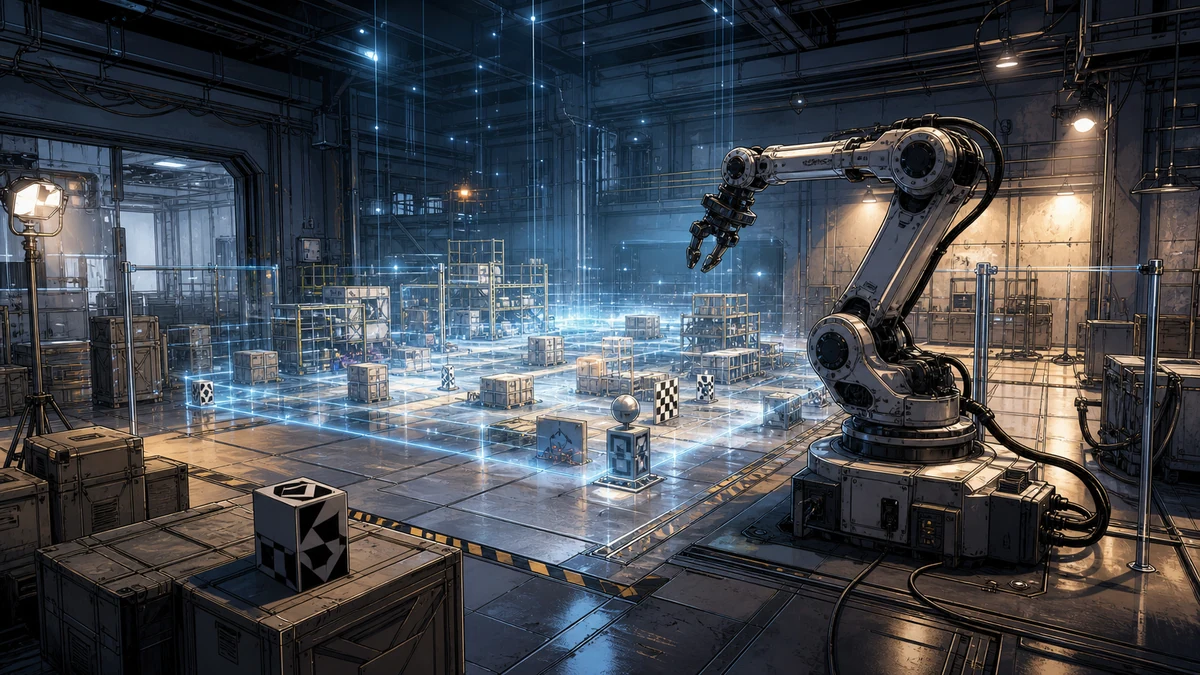
Marble makes generated 3D spaces feel like a product surface. Genie and Oasis push toward interactive worlds. HY-World 2.0 and LingBot-Map show reconstruction and persistent assets.

Browse model dossiers
03

Reader path

Start with the feeling, then open the evidence.

The fastest way in is visual: watch a generated place, understand what changed, then choose whether to open models, comparisons, or the timeline.

Why now

The demos are becoming interfaces.

Marble makes generated 3D spaces feel like a product surface. Genie and Oasis push toward interactive worlds. HY-World 2.0 and LingBot-Map show reconstruction and persistent assets.

Project Sid adds another layer: once a world persists, agents can live inside it, organize it, and make the scene feel social.

Reader path

Start with the feeling, then open the evidence.

The fastest way in is visual: watch a generated place, understand what changed, then choose whether to open models, comparisons, or the timeline.